Higher education austerity: Navigating financial challenges

Anúncios
Higher education austerity refers to financial constraints forcing universities to adapt through online education, strategic partnerships, and innovative funding models to maintain quality and accessibility for students.
Higher education austerity is becoming a reality for many institutions, affecting everything from enrollment numbers to program offerings.
Have you wondered how universities are adapting to these financial challenges?
Anúncios
Understanding higher education austerity
Understanding higher education austerity is essential as we navigate the financial landscape of modern universities.
Many institutions are facing budget cuts and funding shortages, which directly impact students and faculty.
Anúncios
This phenomenon often leads to reduced staff, limited course offerings, and higher tuition costs.
Have you considered how these changes affect education quality? It’s crucial to analyze what austerity means for students.
Causes of higher education austerity
There are several factors contributing to the rise in austerity measures in higher education.
- Decreased state funding for public universities.
- Increased operational costs, including salaries and facilities maintenance.
- Declining enrollment in certain regions, leading to reduced revenue.
- Shift towards funding models that prioritize performance and results.
These causes create a challenging environment where schools must make difficult decisions.
Higher education austerity forces institutions to rethink their priorities and find new ways to engage students.
Impacts on students
The effects of these austerity measures can be felt across the student body.
Students may experience larger class sizes and fewer resources, which can hinder their learning opportunities.
Additionally, programs that once thrived may be cut or altered, limiting student options and experiences.
Despite these challenges, some universities are finding innovative ways to adapt.
For example, partnerships with local businesses and increased online course offerings are ways to address shrinking budgets.
Overall, understanding the complexities of higher education austerity will help prepare students for the educational changes ahead.
By staying informed, students can make more informed choices about their academic journeys.
The impact on student enrollment
The impact on student enrollment due to higher education austerity is profound and multifaceted.
Many prospective students look for quality education, and financial constraints can lead schools to make difficult choices that directly influence their decisions.
As institutions grapple with budget cuts, enrollment numbers often begin to dwindle.
The overall appeal of a university can diminish when students perceive a lack of resources.
Financial aid also plays a critical role, and inadequate support can detour potential applicants.
Factors affecting enrollment
Several reasons contribute to declining enrollment in higher education.
- Rising tuition costs deter families from applying.
- Perceived reductions in quality of education and support services.
- Limited availability of financial aid options.
- Job market uncertainty may influence students’ decisions about pursuing degrees.
Understanding these factors is vital for institutions aiming to enhance their enrollment numbers.
Many universities are re-evaluating their recruiting strategies to attract a diverse and qualified class of students.
Strategies to boost enrollment
To combat the effects of austerity, colleges are adopting innovative approaches to increase student enrollment.
From enhancing scholarship programs to improving outreach efforts, universities are seeking ways to make education more accessible.
Engaging with high schools and community organizations helps create pathways for students who might not otherwise consider attending college.
Online programs are also increasingly appealing, as they offer flexible learning opportunities.
Many students prefer the convenience of learning from home.
By diversifying course offerings, schools can meet the needs of a broader audience.
Overall, addressing the impact on student enrollment requires a comprehensive understanding of student needs and innovative responses to financial challenges.
Strategies universities use to cope
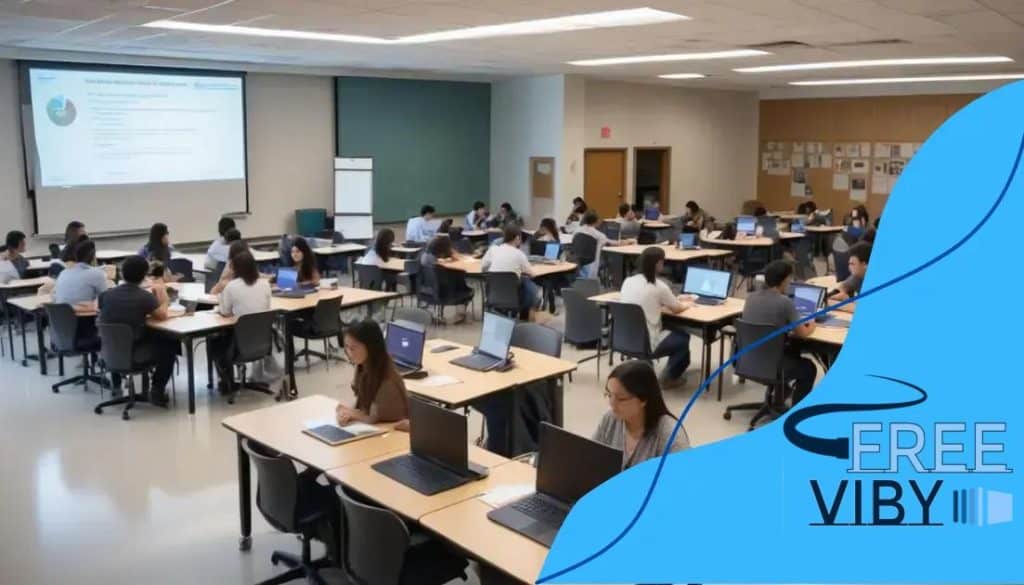
Strategies universities use to cope with higher education austerity are varied and innovative.
As funding decreases, institutions are seeking new ways to ensure they can provide quality education and maintain operational efficiency.
One common approach is to enhance partnerships with local businesses.
These collaborations can create internships and job opportunities for students while providing financial support to the universities.
Schools are also turning to alumni for donations to help bolster their finances.
Expanding online learning
Online learning has become a crucial strategy for several universities.
By offering more courses in a digital format, institutions can reach a broader audience.
This flexibility is appealing to students who need to balance work and education.
- Online programs often reduce physical infrastructure costs.
- They attract non-traditional students who might not attend in person.
- Asynchronous classes provide students with scheduling flexibility.
As universities adapt to the evolving education landscape, many are also investing in technology to enhance the learning experience.
This can include upgrading classrooms with new tools and providing students with better access to resources.
Cost-cutting measures
Cost-cutting measures are also necessary for many institutions amidst financial challenges.
This might involve consolidating departments or reducing administrative positions to save funds.
Staff reductions, however, can affect the quality of services available to students.
Another strategy is to focus on attracting students to programs that are less expensive to run.
By highlighting these programs in marketing efforts, schools can help increase enrollment and keep their finances stable.
Adjusting tuition rates based on demand for certain courses is another way to manage budgets more effectively.
Through these strategies, universities are finding ways to cope with austerity.
Adaptability and innovation are key to maintaining educational standards and achieving growth, even in challenging economic times.
Adapting curricula to financial limitations
Adapting curricula to financial limitations has become a crucial task for many universities facing budget constraints.
As funding shrinks, schools are re-evaluating their course offerings and program structures to maintain quality while being cost-effective.
One of the most significant changes colleges are implementing is streamlining their curricula.
This often means combining similar courses to reduce costs associated with staffing and resources.
It also helps ensure that students still gain essential knowledge without unnecessary repetition.
Focus on core competencies
Many institutions are shifting their focus to core competencies that align with job market demands.
By targeting key skills, universities can prepare students more effectively for their future careers while managing expenses.
- Identifying high-demand fields and tailoring programs accordingly.
- Encouraging interdisciplinary studies that combine multiple skills.
- Incorporating real-world projects into the curriculum for hands-on experience.
This approach not only aids in financial sustainability but also enhances the educational experience, making students more competitive in the job market.
Leveraging technology
Technology plays a vital role in adapting curricula. Online tools and resources allow universities to offer courses more efficiently.
For example, many schools are using learning management systems to deliver lectures and materials, allowing for flexibility in teaching methods.
Additionally, online courses can reach a wider audience, helping institutions maintain enrollment numbers.
By utilizing technology, universities can control costs while still delivering quality education.
Overall, adapting curricula to financial limitations requires creativity and foresight.
Schools must remain agile, balancing financial realities with the need to provide meaningful educational experiences.
The role of online education
The role of online education has become increasingly significant in today’s academic landscape, especially as universities face financial challenges.
With the rise of digital platforms, education is becoming more accessible and flexible, allowing students to learn from anywhere.
Online education provides a viable solution for institutions grappling with austerity measures.
It allows universities to offer a broader range of programs without the need for extensive physical resources.
Students benefit from the ability to manage their study schedules, making education more attractive to a diverse audience.
Benefits of online learning
There are several advantages of online education that help support both students and institutions.
- Flexibility: Students can attend classes at their convenience, making it easier to balance work and studies.
- Cost-effectiveness: Online courses often have lower tuition fees and reduced expenses for transportation and housing.
- Wider Reach: Universities can attract students from different geographical areas, increasing enrollment numbers.
- Diverse Offerings: Institutions can rapidly adapt and expand their course offerings without significant investment in physical infrastructure.
This method of learning has proven especially beneficial during times of crisis, such as the recent pandemic, where traditional in-person classes were disrupted.
Challenges of online education
While online education has many advantages, it also poses challenges.
Some students struggle with self-discipline and motivation while learning remotely.
Additionally, not all students have equal access to technology and stable internet connections, which can create disparities in learning opportunities.
To address these issues, institutions are investing in student support services tailored for online learners.
This includes academic advising, tutoring, and mental health resources that can be accessed from a distance.
Ultimately, the role of online education continues to evolve.
By leveraging technology, universities can adapt to financial limitations while providing quality learning experiences that meet the needs of today’s students.

Future trends in higher education financing
Future trends in higher education financing are evolving as institutions adapt to changing economic realities.
With financial pressures mounting, schools are exploring innovative funding solutions to sustain quality education.
One significant trend is the increasing reliance on alternative funding sources.
Traditional state funding is declining, pushing universities to seek private donations, grants, and partnerships with businesses.
These collaborations can create internship opportunities and enhance job placement rates for students, making education more attractive.
Increased investment in technology
As we look ahead, the role of technology in financing higher education will grow.
Many universities are investing in digital tools to improve operational efficiency and reduce costs.
Implementing advanced data analytics helps schools make informed decisions about resource allocation.
- Online programs require less physical infrastructure, leading to lower overhead costs.
- Investments in technology can attract more students, boosting enrollment.
- Using virtual classrooms can expand access for remote learners, opening new revenue streams.
This tech-driven approach not only enhances learning experiences but also positions universities as modern educational leaders.
Focus on student-centric funding models
Another trend is the move toward student-centric funding models.
Universities are creating personalized financial packages that cater to individual student needs.
These packages may include scholarships, work-study programs, and flexible payment plans.
As competition for students increases, schools must offer attractive financial options to remain viable.
Providing clear and upfront information about costs and financial aid can help demystify the funding process for prospective students.
Overall, the future of higher education financing will be shaped by innovation, adaptability, and a commitment to meeting the diverse needs of students.
As higher education faces challenges from austerity, universities are adapting in innovative ways.
By embracing technology and focusing on student needs, they can maintain educational quality while keeping costs down.
The future will likely see more reliance on online education, strategic partnerships, and flexible financial models.
Understanding these trends is essential for students, educators, and policymakers alike, as they navigate the evolving academic landscape together.
FAQ – Frequently Asked Questions about Higher Education Austerity
What is higher education austerity?
Higher education austerity refers to the financial constraints faced by universities, leading them to implement cost-cutting measures and adapt their educational offerings.
How is online education impacting traditional universities?
Online education is providing flexibility and accessibility, allowing universities to reach more students and reduce operational costs while maintaining quality education.
What strategies are universities using to cope with financial challenges?
Universities are forming partnerships with businesses, relying on technology, and offering personalized financial packages to attract and retain students.
What are future trends in higher education financing?
Future trends include an increased focus on alternative funding sources, investment in technology, and student-centered financial models to support diverse needs.